Entertainment
Andre Correa’s New Single “Histórias” Explores How Stories Change in the Telling

The best instrumental music makes you feel something you can’t quite name. Brazilian guitarist Andre Correa’s new single “Histórias” works like that, building a narrative without a single word by exploring how stories transform as they pass between people.
The track, which translates to “Stories” in English, draws from baião and fusion to create something that unfolds like a conversation you’re overhearing. Correa structured the composition around the concept of a game of telephone, where a single idea gets reinterpreted through different emotional filters until it returns to something clearer than where it started. The piece swells and contracts, moving through restlessness and conflict before landing somewhere more settled and direct.


“The work invites the listener to create their own interpretation,” Correa explains. “Each person hears a different story within the same music.”
It’s a fitting approach for a guitarist who treats composition as personal archaeology. Correa, a Berklee College of Music graduate now based in Orlando, doesn’t start with theory or structure when he writes. He starts with whatever he’s actually living through, picking up his guitar and trying to translate feeling into sound. One idea leads to another until the piece reveals its own direction. “I only feel comfortable when I can see the full picture and everything feels cohesive, like the music is telling one clear story,” he says.

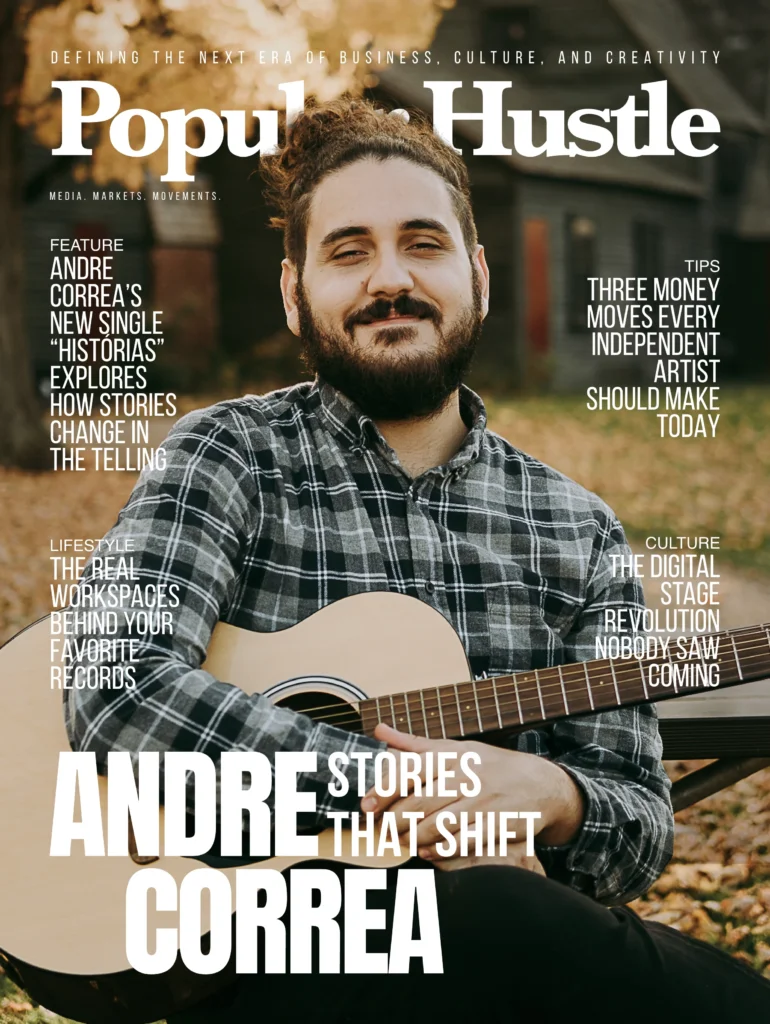
That process shaped his debut album “Seasons,” released November 29, 2025, which documents his years in Boston through seven original tracks. But “Histórias,” releasing in 2026, pushes further into abstraction, examining not just personal experience but the nature of how experience gets communicated and distorted over time. Multiple musical “voices” emerge from a single theme, creating layers that explore the relationship between noise, interpretation, and truth.

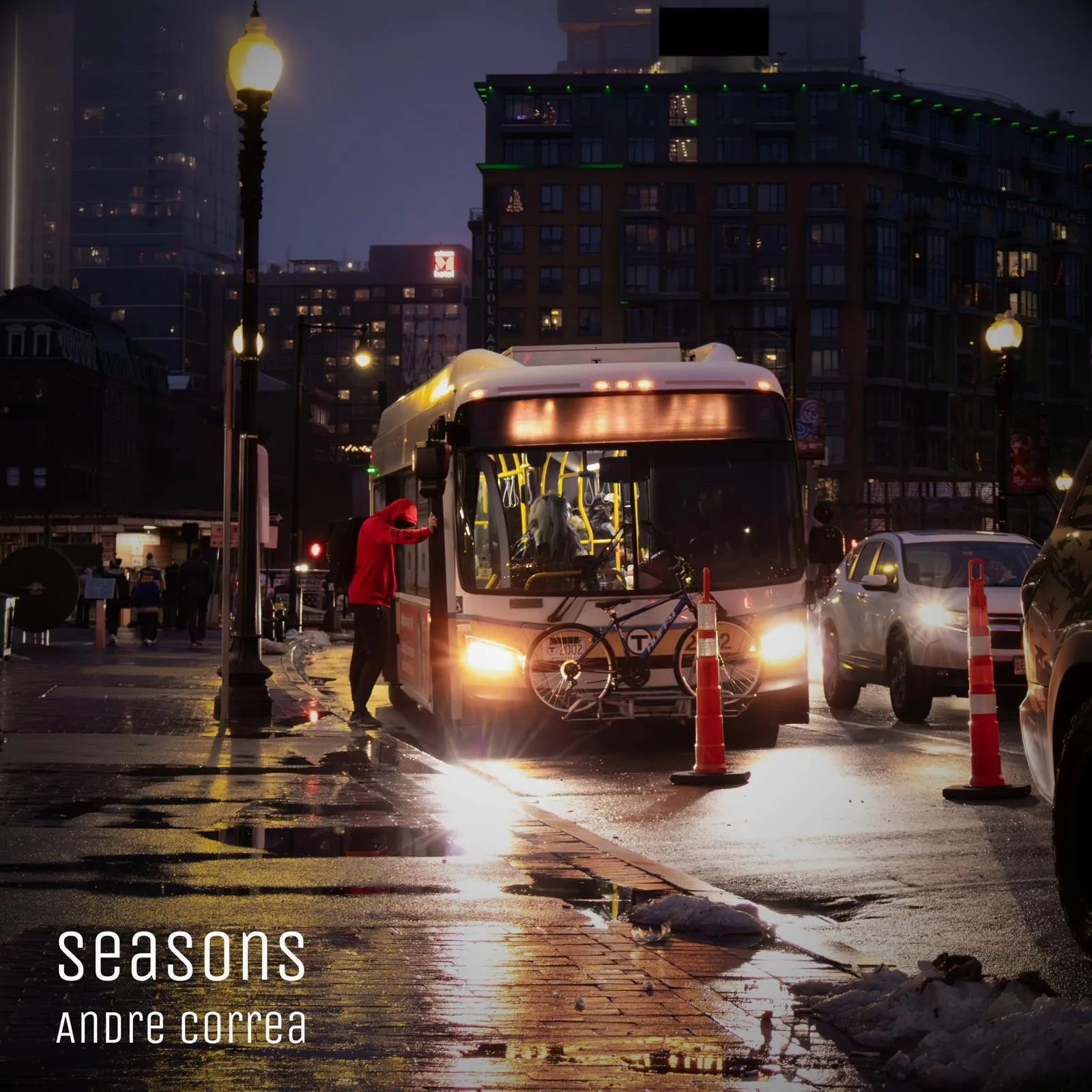
Correa was born in Valinhos, São Paulo, and raised in Campinas, learning keyboard from his father at eight before picking up guitar at twelve. Playing in church communities taught him early that music works best as service rather than spectacle, a belief that stuck through his formal training at Berklee, where he studied with faculty including Danilo Pérez, John Patitucci, and Randy Roos. His time at the Berklee Global Jazz Institute took him into hospitals and rehabilitation centers, reinforcing his sense that music exists to create space for something meaningful to happen.
The immigrant experience of rebuilding life in the United States has informed his writing as much as any classroom. Moving countries, learning to navigate unfamiliar systems, processing the particular loneliness of starting over in a new place: all of it feeds into work that prioritizes emotional honesty over technical display.
“I don’t think of my work as just songs or compositions,” Correa says. “I think of each piece as a small narrative, a space where melody, harmony, rhythm, and improvisation work together to express something human: faith, doubt, change, longing, gratitude, conflict, hope.”
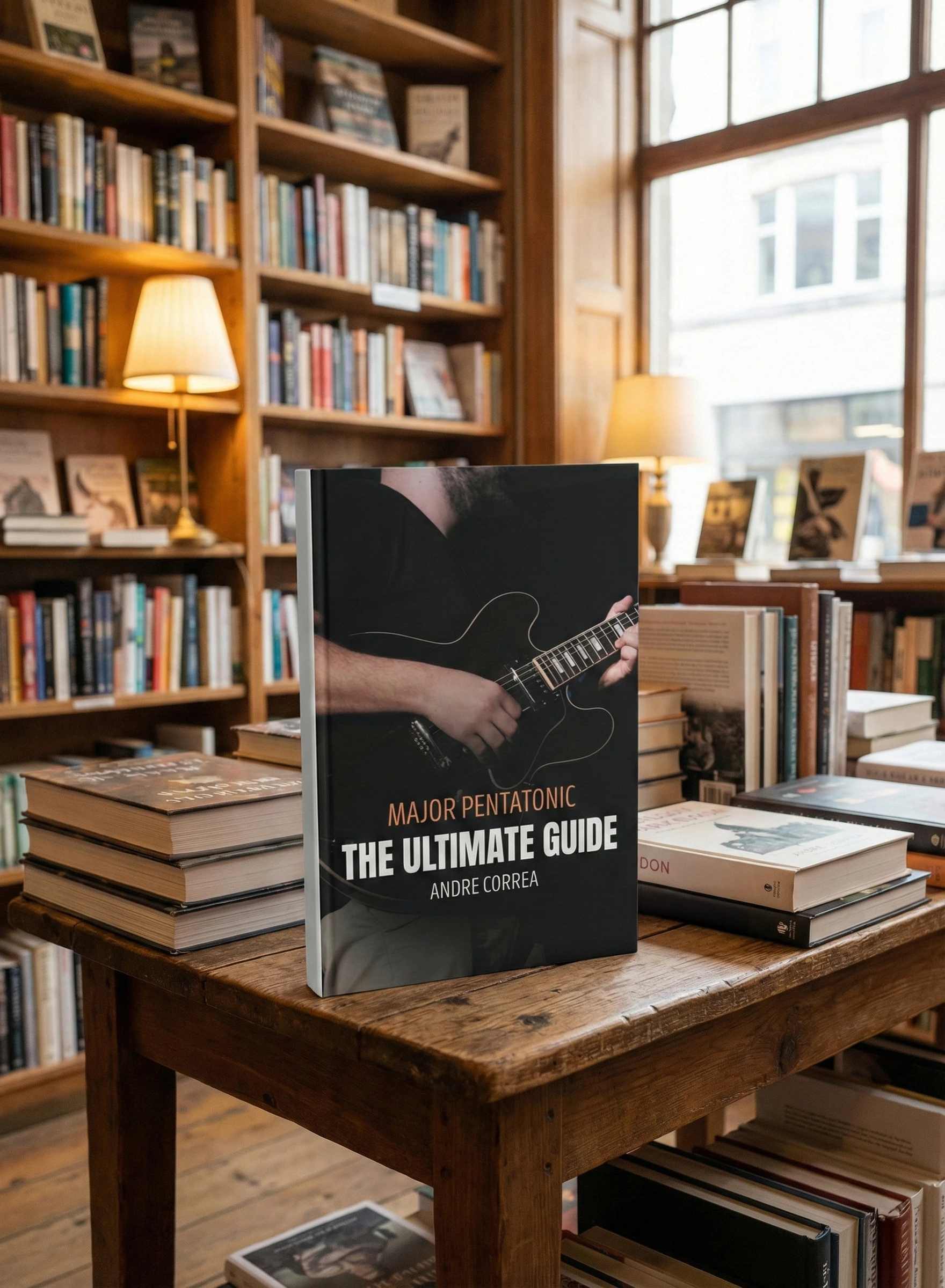
Beyond his recording projects, Correa is preparing to launch an educational book series called “The Ultimate Guide,” with the first volume, “Major Pentatonic: The Ultimate Guide,” scheduled for release in January 2026. The series applies his FCA Method, a framework focused on helping guitarists develop their own musical identity rather than just memorizing patterns. He currently performs regularly at Jazz Tastings in Orlando, where he develops his sound and refines his artistic direction in a live setting.

Correa isn’t chasing anything grand with his music. If someone walks away feeling a little more present, a little more honest with themselves, or simply more connected to their own emotions, he figures the work has done what it was supposed to do.
“Histórias” rewards that kind of attention. The track doesn’t demand you understand it on first listen. It just asks you to sit with it long enough to find whatever story you needed to hear.
Stream Andre Correa’s music on Spotify and Apple Music, and follow his work on Instagram, YouTube, Facebook, TikTok, and LinkedIn. Visit his website for more.