
Travel
Experience the Best of Medellin: 10 Must-Visit Attractions You Cannot Miss!

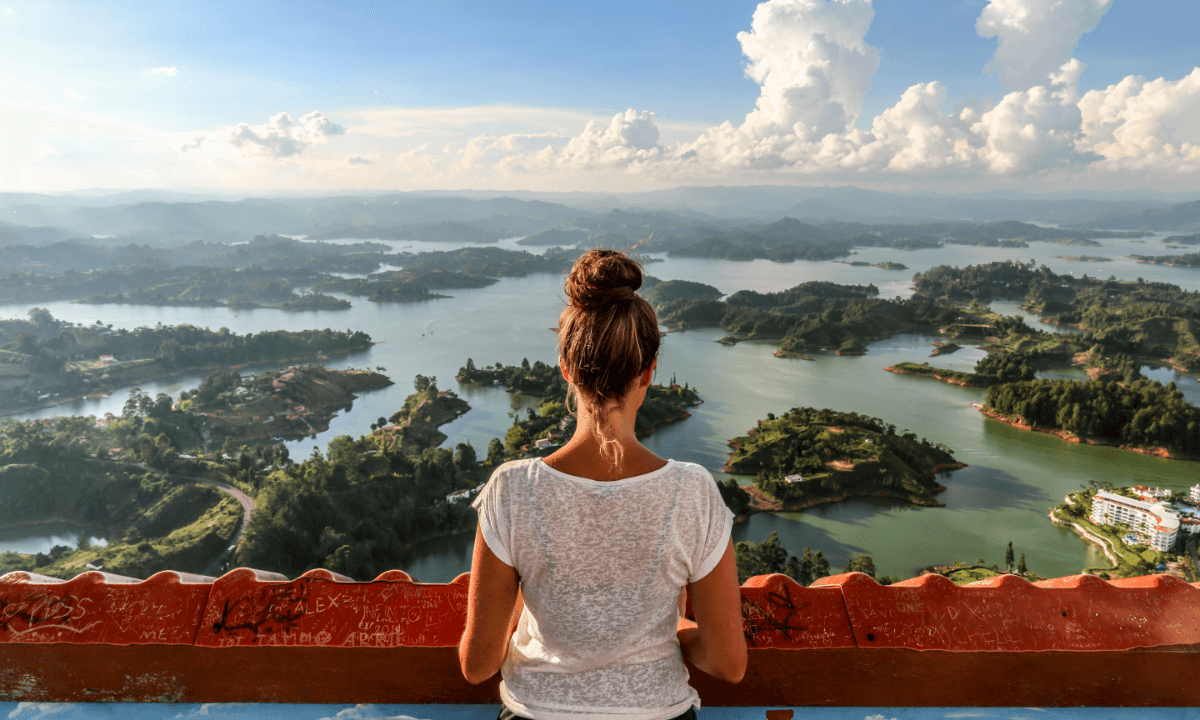
Medellin, the second-largest city in Colombia, is a vibrant and dynamic metropolis that has undergone a remarkable transformation in recent years. It was once known for its crime and violence, but has now become a hub of innovation and development, with a thriving cultural scene and a growing economy.
Visitors to Medellin are often struck by the city’s colorful architecture, stunning scenery, and friendly people. The city is surrounded by mountains, which provide a dramatic backdrop for its urban landscape. Its streets are lined with vibrant graffiti and murals, which reflect the city’s vibrant arts scene. Medellin is also a city of contrasts, where modern skyscrapers sit alongside colonial architecture, and trendy restaurants and bars coexist with traditional street food vendors.
There are many attractions in Medellin that are worth seeing, but here are 10 must-see attractions that visitors should not miss. From the famous Plaza Botero, where visitors can see the iconic sculptures of Colombian artist Fernando Botero, to the natural beauty of Parque Arvi and the stunning architecture of El Castillo Museum, there is something for everyone in this vibrant city.
Whether visitors are interested in exploring the city’s culture and history, or simply want to soak up the sights and sounds of this unique city, Medellin has much to offer. So, pack your bags and get ready to explore this fascinating city and experience its rich culture and history.
Plaza Botero

Located in the heart of the city, Plaza Botero is one of the most famous landmarks in Medellin. The plaza features 23 sculptures by the renowned Colombian artist Fernando Botero. The sculptures are large and exaggerated, reflecting Botero’s signature style. Visitors can also find a museum dedicated to the artist’s work near the plaza.
Comuna 13

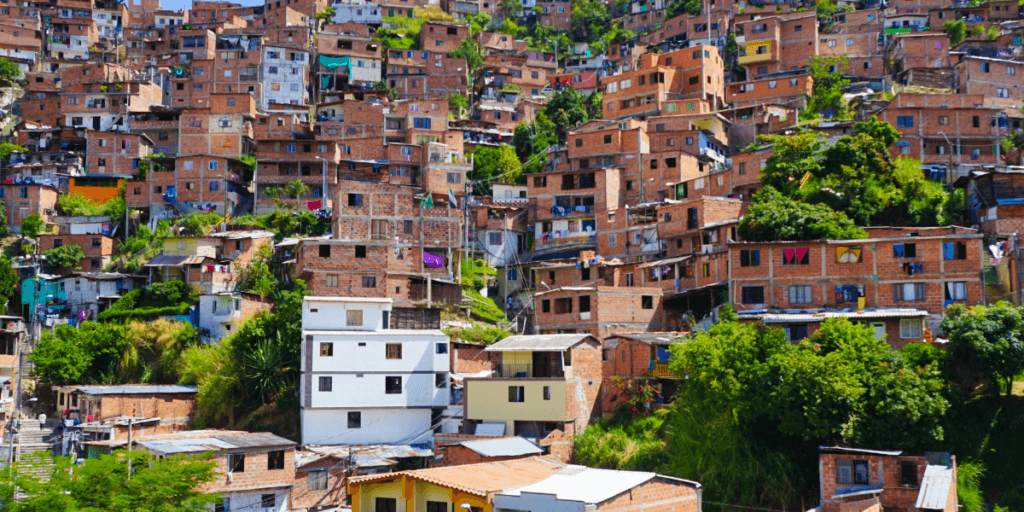
Comuna 13 is a neighborhood that was once notorious for its crime and violence but has now become a symbol of Medellin’s transformation. The neighborhood is located on a steep hillside and is covered in colorful street art. Visitors can take a guided tour of the neighborhood to learn about its history and see the impressive public escalators that were built to help residents access the upper parts of the community.
El Pueblito Paisa

El Pueblito Paisa is a replica of a traditional Colombian village that sits atop a hill in the center of Medellin. Visitors can see traditional architecture, buy handicrafts, and enjoy local food and drinks. The hilltop location also provides breathtaking views of the city.
Parque Arvi

Parque Arvi is a nature reserve located on the outskirts of Medellin. It is accessible by cable car, which provides incredible views of the city and the surrounding mountains. The park has hiking trails, zip lines, and birdwatching opportunities.
Jardin Botanico

The Jardin Botanico is a beautiful botanical garden that covers over 35 acres in the center of the city. It features over 600 species of plants, including many that are native to Colombia. The garden also has a butterfly house and an orchid exhibit.
Museo de Antioquia

The Museo de Antioquia is one of the oldest and most important museums in Colombia. It houses a collection of pre-Columbian art, colonial art, and contemporary art. The museum is also home to many of Fernando Botero’s works.
Metrocable

The Metrocable is a cable car system that provides transportation to some of the city’s more remote neighborhoods. The ride offers breathtaking views of the city and the surrounding mountains. It is also a great way to see the different parts of the city and experience life as a local.
Cerro Nutibara

Cerro Nutibara is a small hill located in the center of the city. At the top of the hill, visitors can find the Pueblito Paisa and the Antioquia Museum. The hill also provides a great vantage point for seeing the city and the surrounding mountains.
Casa de la Memoria
Casa de la Memoria is a museum that tells the story of the city’s violent past and the struggles of the people who lived through it. The museum’s exhibits include personal stories, photographs, and artifacts from the conflict. The museum provides a sobering reminder of the challenges that the city has faced and the resilience of its people.