Business
Future-Proof Homes: Building Intelligence Every Property Investor Should Look For

The real estate market has always moved in cycles, but the homes that truly last have something in common. They’re built with foresight. A property that feels relevant today and ten years from now doesn’t rely on trends. It’s designed with intelligence — the kind that combines comfort, efficiency, and resilience in ways that keep it valuable long after the paint dries.
Investors used to focus on location and price. Those still matter, but the conversation has shifted. Now, the smartest buyers look for homes that can adapt — buildings designed not only for beauty but for endurance.
What It Means to Be Future-Proof
A future-proof home is one that continues to work for its owners as lifestyles and technologies evolve. It doesn’t need to predict every innovation, but it’s built on principles that never go out of date: flexible design, energy efficiency, and materials that age gracefully.
This kind of intelligence shows up in quiet ways. A well-placed window that tracks sunlight through the seasons. Walls insulated not just for temperature but for sound. Systems that connect seamlessly without taking over the space.
Technology helps, but future-proofing is not about filling a home with gadgets. True innovation lies in the structure — in design that anticipates change instead of resisting it.
Design That Adapts
Good architecture plans for life as it changes. Families grow, technology advances, habits shift. Homes that can adjust without major reconstruction hold their value better than those locked into rigid layouts.
Open floor plans that allow for flexible furniture arrangements, storage spaces that can transform, and multi-use rooms that evolve with need are all signs of intelligent design. Even small decisions, like placing electrical conduits where new systems could one day be added, show a builder’s foresight.
The most enduring homes feel calm and balanced because their design isn’t tied to a single moment in time. They remain adaptable, quietly preparing for what’s next.

Efficiency as Intelligence
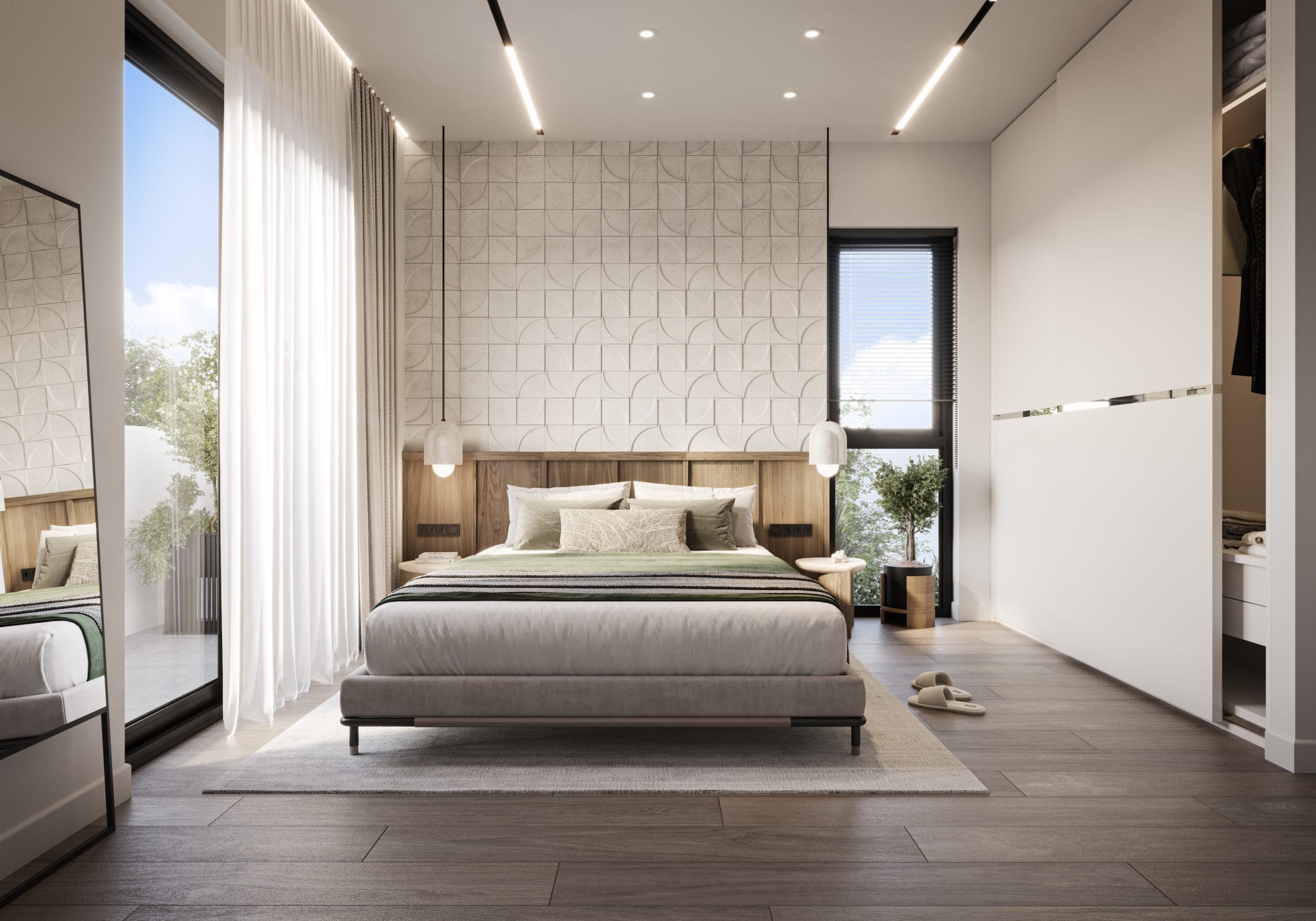
A home that wastes energy isn’t just bad for the planet — it’s bad for investment value. Energy efficiency is now one of the most reliable indicators of long-term performance.
Future-proof homes make use of both natural and technological efficiency. They are oriented to capture daylight, insulated to maintain indoor comfort, and equipped with renewable energy systems like photovoltaics or heat pumps.
Solar energy, once considered a luxury feature, has become an essential component of sustainable design. When integrated properly, it can reduce energy bills and add resale appeal. Heat pumps, meanwhile, offer year-round comfort without the environmental cost of fossil fuels.
Efficiency is not only about energy. It’s about maintenance too. A home that’s easy to care for will always outlast one that requires constant attention.
The Role of Smart Systems
Smart systems are part of modern building intelligence, but they should enhance daily life, not complicate it. Lighting that adjusts to daylight levels, temperature control that learns from usage patterns, and water systems that monitor consumption — these are tools of comfort, not distraction.
The best systems are invisible when they work well. They simplify life, conserve resources, and improve safety. But just as important is the design that allows future upgrades. Technology changes fast, and homes that can accept new systems without disruption stay relevant longer.

Why Investors Should Care
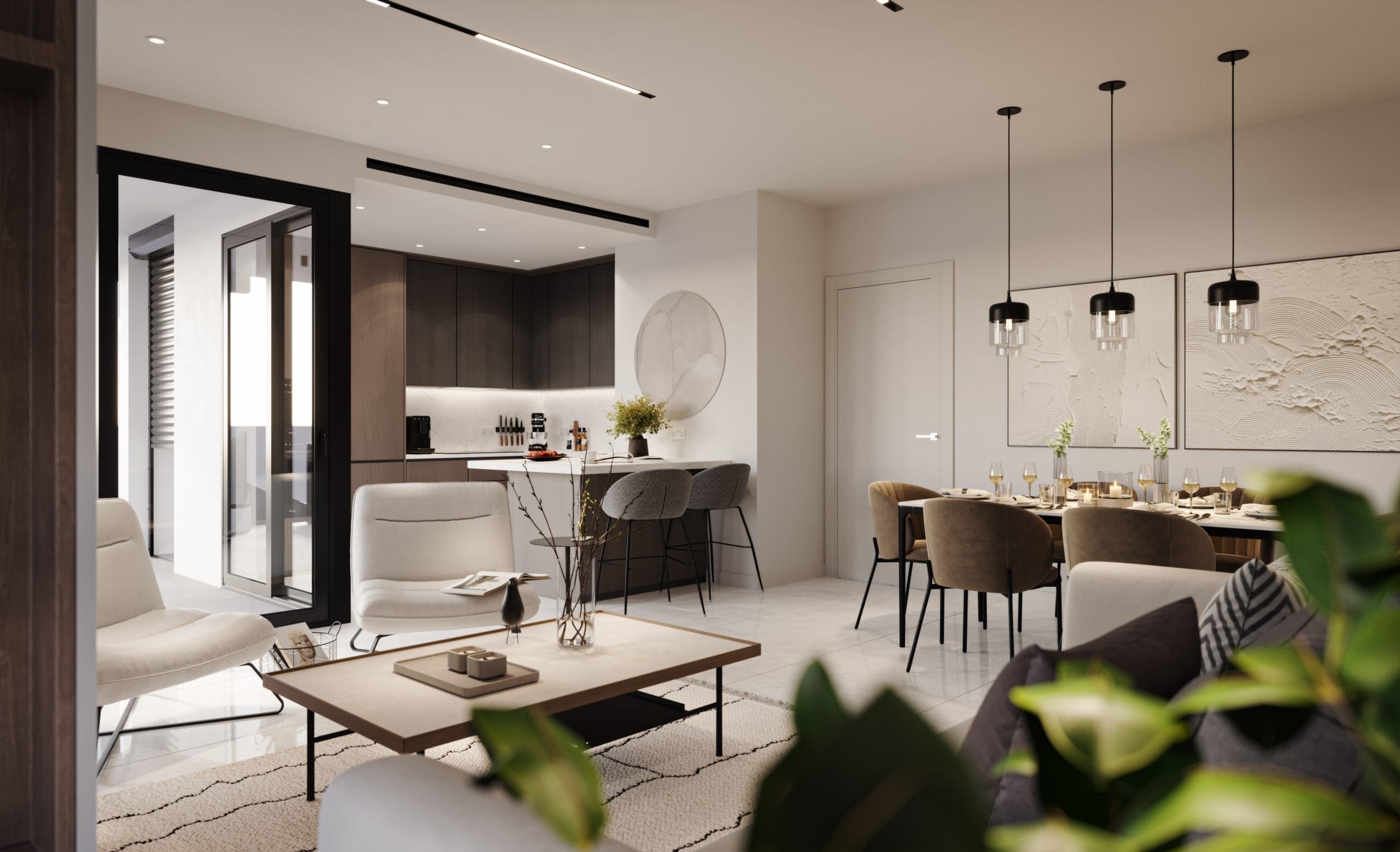
For property investors, future-proofing is more than an environmental choice. It’s a financial one. Homes designed for efficiency and adaptability attract better tenants, retain resale value, and age gracefully in competitive markets.
A property that consumes less energy, requires fewer repairs, and offers better air quality delivers measurable returns. As sustainability standards continue to rise globally, future-ready properties also face fewer regulatory challenges.
When evaluating a potential investment, smart investors now ask:
- How adaptable is the layout?
- Are the systems designed for updates or replacements?
- Do the materials age well?
- Is the building positioned for natural light and ventilation?
The answers to those questions say more about long-term value than any marketing description.
Building Intelligence in Practice
Some developers already treat future-proofing as the foundation of their work. They plan for efficiency, integrate renewable systems, and design with timeless architecture in mind.
One example is foliahomes.com. Their projects start with simple but lasting principles — balanced spaces, natural light, and quiet sustainability that doesn’t rely on technology alone. In their approach, intelligence isn’t added through gadgets; it’s built into the structure itself. The result is homes that continue to perform, adapt, and remain relevant no matter how the world changes.
Lessons from Architecture and Nature
Architecture has always evolved alongside human needs. The homes of the past used courtyards to regulate heat, verandas to provide shade, and thick walls to keep interiors cool. Those lessons remain relevant today.
Future-proof design borrows from that same philosophy: use what nature offers, and let buildings work with the environment rather than against it. A well-oriented façade or a carefully positioned skylight is a kind of intelligence — one that doesn’t need electricity to perform.
When natural systems and modern technology cooperate instead of compete, a home becomes something greater than its parts. It becomes sustainable by design, not by label.
Closing Thought
The future of housing will not be defined by how advanced a building looks, but by how intelligently it functions. Beauty fades, and technology becomes outdated, but good design endures.
A future-proof home doesn’t chase innovation; it embodies it quietly. It adapts without losing identity and protects both comfort and investment value over time. For homeowners and investors alike, that balance of intelligence and simplicity is what turns a property into a lasting legacy.