Entertainment
Norwegian Brothers Release Their Most Ambitious Album Yet With ‘Dreams and Conjurations’

When Sturle Dagsland describes conducting a two-hundred-dog choir in Greenland, he’s not joking. The Norwegian artist, who makes up half of the sibling duo behind the project, actually positioned himself in the middle of a small village, set up microphones, and got the sled dogs to respond to his howls like an orchestra following a conductor’s baton. That recording session tells you everything about how this project works: experimental, adventurous, and rooted in a genuine connection to the natural world.
Sturle and Sjur Dagsland released their second album, Dreams and Conjurations, on October 10, 2025. The brothers, based in Stavanger, Norway, have built their sound around an unusual combination: Sámi folk traditions from their northern Norwegian heritage mixed with instruments from around the world. On any given track, you might hear Swedish nyckelharpa, Norwegian goat horn, Chinese guzheng, West African kora, Hungarian cimbalom, and waterphone, all woven together with modern recording techniques and electronic elements.
Their 2021 self-titled debut earned them an Edvard Award for best Norwegian album of the year. The new record pushes even further, mixing avant-garde pop, folk music, metal intensity, and electronic soundscapes. It’s not the kind of album that fits comfortably into one genre, and that’s exactly the point.

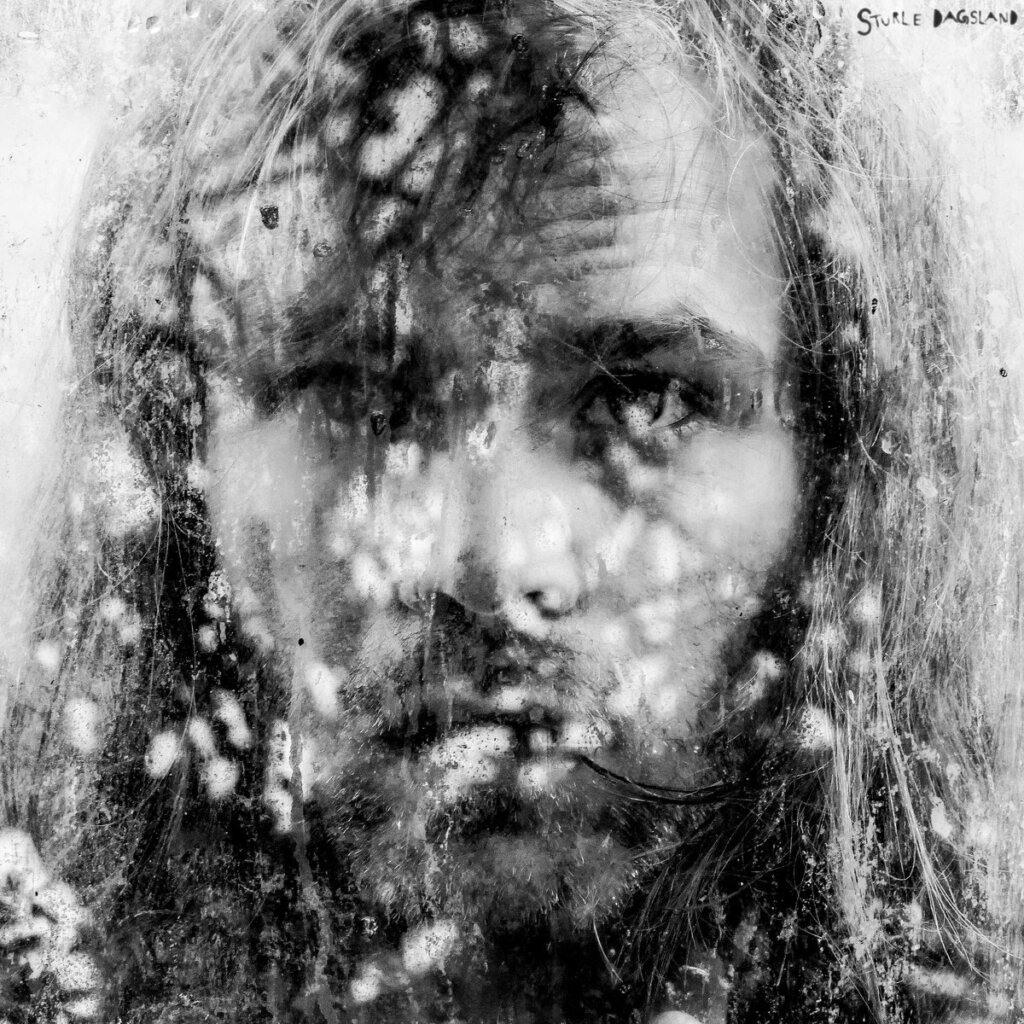
The brothers see limiting themselves to one feeling or genre as dishonest. They’re not interested in playing just one style. They’d rather move through different emotions and let the music breathe in whatever direction feels right.
Their approach to Norwegian traditions comes through in songs like “Hallingen,” named after a folk dance that Sturle compares to Norwegian breakdancing. Dancers spin, flip, and jump to kick a hat off a stick. A few years ago, they performed at a museum opening with a halling dancer, creating music that captured the rhythm and energy of the tradition without being a strict replica. They also incorporated elements from their Sámi heritage, blending vocal styles and rhythms from their family background into something new.
The recording locations are worth noting. The brothers don’t stick to traditional studios. They’ve captured sounds in abandoned ships, remote villages, stormy clocktowers, and a water tower in Berlin’s Prenzlauer Berg neighborhood. Sjur points out that the Berlin space has a long reverb that inspires them to play differently. The acoustics actually change how they approach their instruments.
One of the album’s songs, “Whispering Forest, Echoing Mountains,” came from a chance encounter in Beijing. While touring China, they met a half-blind elderly man playing guzheng near the Forbidden City. He invited them to his home, told them he’d dreamed of Norwegian mountains despite never leaving China, and they jammed with him all night while his family brought dinner. The experience inspired one of the most-used instruments on the album.
Their collection of international instruments raises questions about cultural appropriation, but Sturle’s perspective is straightforward. Instrument makers are usually happy to see their creations being played and want their traditions to live on. He uses the guzheng in ways that don’t sound traditional at all. It’s about exploration and spreading the joy of music rather than claiming mastery or authenticity.
Working as siblings has its challenges. They used to share a tiny studio that doubled as Sjur’s bedroom, sleeping and creating music in the same cramped space. These days they live separately, though they’re still neighbors on the same street. The brothers perform mostly as a duo, though they’ll occasionally bring in dancers, visual artists, or multi-instrumentalist friends for special shows.
Looking ahead, they’re planning tours across Europe, Japan, Korea, Mexico, and Brazil. Sturle has bigger dreams too. He wants to create a musical with a fantastic director, where he’d perform all the character voices in different styles. It would be surreal and fairytale-like, something imaginative and playful. Sjur has already decided his role: he’d be on a flying carpet.
For now, Dreams and Conjurations offers plenty: ambient whispers on “Windharp,” ceremonial chaos on “The Ritual,” and ghostly minimalism on “Kwaidan.” It’s music that doesn’t ask for passive listening. It demands you lean in and pay attention.
You can stream the album and follow Sturle Dagsland on Facebook, Instagram, and YouTube.