
Entertainment
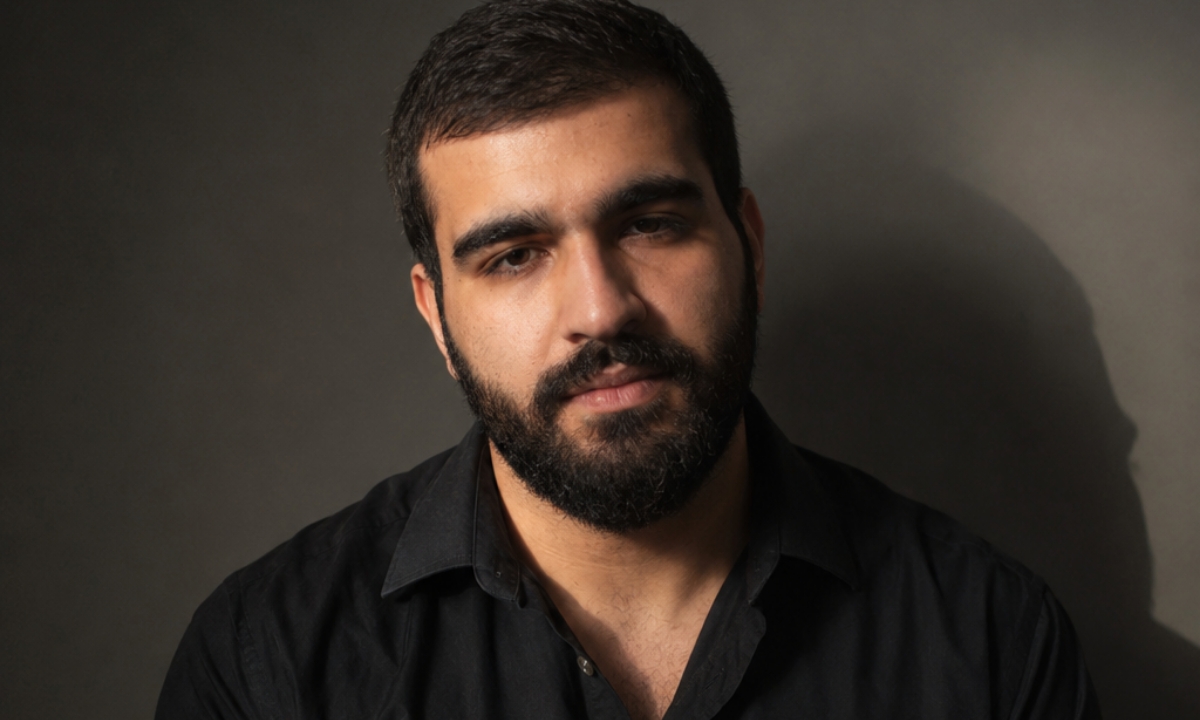
Karasu Merodi | Drumming to the Pulse of Electronic Dreams


Karasu Merodi, born Victor Delacourt, is quickly becoming a standout name in the colorful world of electronic dance music. Far more than just another newcomer in the ever-growing EDM scene, Karasu is part of a new wave of young, inventive talent. With his unique blend of traditional electronic beats and broad, emotive soundscapes, he’s carving out a distinctive niche for himself in a genre that’s all about pushing boundaries and embracing innovation.
Karasu’s journey in music started unusually early. At just five years old, he found himself drawn to the rhythmic allure of drums, marking the beginning of a lifelong affair with music. The turning point came in 2014, influenced heavily by a track from Martin Garrix. This pivotal moment not only defined his musical aspirations but also charted his future path toward becoming an EDM composer. By 2019, Karasu had launched his very own project—Karasu Merodi. This venture was more than just a musical exploration; it was a personal therapy, a medium through which Karasu sought to connect with his inner self and simultaneously evoke profound emotions in his listeners.
Describing Karasu Merodi’s music to a newcomer isn’t a simple task. His tracks are a meticulously crafted blend of traditional EDM and rich electronic textures that create an immersive listening experience. Each composition is layered with pulsating beats, intricate melodies, and atmospheric depths that transport listeners to otherworldly realms. His music is not just heard; it’s felt, resonating with the energetic highs and introspective lows that define the human experience.
Karasu’s artistic output is marked by an eclectic mix of genres. From ambient to chill-out, from chiptune to house, and synthwave, his music is a testament to his versatility and his innate ability to fuse different styles into a cohesive experience. Tracks like “Lover Boy,” “The Heat,” “Reception Light,” “Serenade,” and “Your Love” stand out in his discography, each offering a unique blend of euphoric and meditative vibes that captivate and engage.
April 29 marked the release of his latest EP, “Bedroom Memories Part.4,” a compilation that showcases Karasu’s growth as an artist. This EP spans five tracks, each one uniquely impressive in its own right.

Shortly after, on May 8, he introduced his latest single, “Echoes of Two Souls,” which diverges into a slower, more atmospheric style. Featuring a blend of compelling vocals and precise mixing, the track encapsulates the essence of Karasu’s consistent range.

Karasu Merodi’s aspirations for his music are both deeply personal and universally resonant. He aims for his tracks to be gateways to joy, escape, and deep connection, helping listeners step away from the mundane and stressful aspects of daily life and into moments of clarity and joy. Whether it’s the empowering rhythm of a dance anthem or the contemplative melody of a slower track, Karasu hopes to leave a meaningful impression on his audience, sparking both personal reflection and shared enjoyment.
In terms of musical influences, Karasu draws inspiration from titans of the EDM and broader music scene. Figures like Martin Garrix, David Guetta, Petit Biscuit, DJ Snake, Don Diablo, and Marshmello have not only influenced his style but also his understanding of music as a dynamic and transformative art form.
Looking ahead, Karasu Merodi is deep in the creative process for his next major project, an album titled “Astral Light.” This upcoming release is shaping up to be a pivotal moment in his career, marking the beginning of a new chapter in his constant evolution. Karasu hints that the album will feature a captivating blend of unforgettable beats and ethereal vibes, poised to challenge what listeners expect and further cement his place in the electronic music scene.
Karasu Merodi loves staying in touch with his fans, regularly sharing updates about his music and personal life. With some exciting new tracks and an album on the way, he encourages everyone to keep an eye on his social media and popular streaming platforms for the latest news. The upcoming album, “Astral Light,” is especially thrilling and is expected to be a game-changer for the rising artist.
For both longtime fans and newcomers, Karasu Merodi brings a fresh and invigorating approach to electronic music, creating a bridge between simple listening enjoyment and deep emotional engagement. His music does more than just fill the air; it invites listeners to explore the full spectrum of human emotions through sound. Karasu’s tracks are designed to be companions for life’s many moments, whether they’re monumental or everyday.
You can follow and connect with Karasu Merodi via Instagram, Facebook, Twitter, Hubside, and listen to his tracks on Spotify.
As “Astral Light” gets ready to make its debut, Karasu Merodi remains a standout figure of innovation and emotional depth in the vast world of EDM—and beyond.









Plenty of EDM producers flirt with rap. Few go as far as Italian producer Lord Conrad, born Corrado Garibaldi, who opened a new chapter in 2026 with a sound that pulls trap and hip hop into the middle of his electronic roots. His new single “Rising Empire” is one of the defining releases of that new era.
The track pairs the European electronic production that built his name with American trap. Heavy 808s and deep bass hold down the low end while synths straight out of the 1980s hover above them. Distorted guitars and modern hip hop production push it into harder territory, which suits a song built around ambition, power and the climb to the top.
That theme carries into the official music video, which leans hard into neon nightlife and luxury cars on midnight drives. The visuals draw on the anticipated world of Grand Theft Auto VI and its Vice City setting, though Lord Conrad is clear that it’s an independent fan-inspired project with no affiliation to Rockstar Games. The clip also folds in imagery of financial markets, which the video’s own disclaimer labels as fictional and purely artistic.

His music already had a foothold in gaming and digital culture. “I Minute” generated thousands of user-created videos on TikTok, and “VIDEOGAMES,” his collaboration with YouTuber PEPO3393, whose channel has more than 500,000 subscribers, has been widely used across gameplay content. Dancers found him too. “Only You” caught on in the global shuffle-dance community and was featured by ELEMENTS, and the video for “Touch The Sky” has passed 1.5 million views on YouTube.
What’s different now is the target. A big part of Lord Conrad’s strategy has been bringing a distinctly European electronic identity to American digital communities shaped by hip hop and urban culture. “Rising Empire” meets those listeners closer to their own turf. He’s also been open about wanting to work with big U.S. producers, and a record like this is a pretty direct way of saying so.
More of this is on the way. He’s working on a modern hip hop remix of “Push It to the Limit” from Scarface, plus another project that blends 80s synthwave and hip hop around the subject of trading.
For an artist whose biggest moments so far have come from dancers and gamers online, chasing American hip hop through those same digital channels makes plenty of sense. Watch the official music video, stream “Rising Empire” on all platforms, and find more at lordconrad.com.



Oleg Shitsel Built Bambkuss Active for People Who Would Rather Go Find Their Crowd

Anime Ape Is Made for Fans Who Never Grew Out of Their Favorite Stories

Hydra Marketing Wants to Be the One Team Its Clients Call for Everything

Why Lord Conrad’s ‘Rising Empire’ Sounds Like a Midnight Drive Through Vice City

Frannk Whitte Would Rather Be Honest Than Fit a Genre

Beast Put a 15-Metre Céline on a Ruined Farmhouse

Serag Baddar Built An Entire Song Out Of The Parts Most Metal Bands Use As A Breather

Vanessa Béjine Takes Best Christian Song at the Hollywood Independent Music Awards

AKASHIC GODS Shatters Digital Hypnosis with an Arena-Sized Spiritual Awakening on ‘The Ether Element’

ONY Returns With ‘Take My Hand’ as He Builds Toward a New Album

Dave Curl Takes His Guitar to a Volcano for the New Single “Julia”

Why Silverstar Oh’s MELT BUSAN Set Deserves Attention

Ninety Seconds of Truth and Why “Chosen One” Is the Perfect Introduction to D$AVAGE

Project Rod Williams Wants You to Step Into Its Cyborg World

Lord Conrad Builds a House Anthem Around Dreaming Big on ‘Be Yours’

Jason Luv Dominates Charts While Inspiring New Wave of Multi Career Artists

Harley West | Inside the Mind of a Social Media Star on the Rise

Raw Fishing | Franklin Seeber, Known As “Raww Fishing” Youtuber Story

Jordana Lajoie Transforms Montreal Roots into Hollywood Success Story

A New Hollywood Icon Emerges in Madelyn Cline

Who is Isaiah Silva – The Story Behind The Music

Jonathan Kenigson’s Quest | Reinvigorating Rational Discourse Through Communicative Means

Tefi Valenzuela Pours Her Heart into New Song About Breaking Free

Holly Valentine | Social Media Influencer & Star Success Story

Kaia Ra | Perseverance That Built a Best-Selling Author

Gearshift to Stardom: Nikhael Neil’s Revolutionary Journey in the Automotive Industry

Kate Katzman | Breaking Into Hollywood and Embracing Change

Thara Prashad | Singer Evolves to Yoga & Mediation Superstar

G FACE Releases His New Single “All up,” and It’s Fire

King Lil G | West Coast Hip Hop Genius Rises to Face With Ease
Tefi Valenzuela Pours Her Heart into New Song About Breaking Free
Kate Katzman | Breaking Into Hollywood and Embracing Change
Holly Valentine | Social Media Influencer & Star Success Story
Kaia Ra | Perseverance That Built a Best-Selling Author

Lil Ugly Baby XXX’s “Who?” – The Mixtape to Boost Your Playlist

Samuel Chewning Explains How Fitness Should Be A Personal Journey

-
 Business5 years ago
Jason Luv Dominates Charts While Inspiring New Wave of Multi Career Artists
-
 Entertainment3 years ago
Harley West | Inside the Mind of a Social Media Star on the Rise
-
 Culture5 years ago
Raw Fishing | Franklin Seeber, Known As “Raww Fishing” Youtuber Story
-
 Culture3 years ago
Jordana Lajoie Transforms Montreal Roots into Hollywood Success Story
-
 Culture2 years ago
A New Hollywood Icon Emerges in Madelyn Cline
-
 Entertainment2 years ago
Who is Isaiah Silva – The Story Behind The Music
-
 Culture3 years ago
Jonathan Kenigson’s Quest | Reinvigorating Rational Discourse Through Communicative Means
-
 Entertainment3 years ago
Tefi Valenzuela Pours Her Heart into New Song About Breaking Free